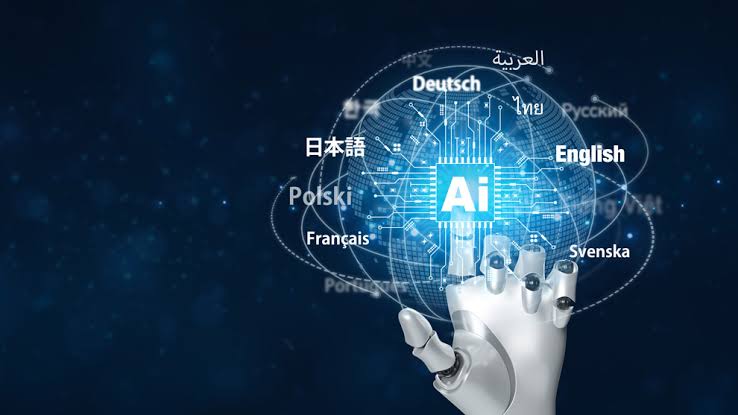
Artificial intelligence has transformed the way companies translate content. Tools such as ChatGPT, DeepL, and Google Translate make it possible to get a translation in a matter of seconds, reducing both time and costs. However, does this mean that professional translators will no longer be needed?
The answer is much more complex. AI is changing the translation industry, but it is not eliminating the need for human expertise. In fact, it is redefining the role of the translator and increasing the value of specialized services.
AI has changed the way we translate
In recent years, neural machine translation has reached levels of quality that were unthinkable just a decade ago. Thanks to large language models, today's tools produce texts that are much more fluent and natural than those produced by older machine translation systems.
This has made it possible to speed up numerous processes, especially when dealing with repetitive or less complex documents, where being able to generate a first draft in just a few seconds is a significant advantage.
However, speed does not always mean accuracy.
The biggest challenge: understanding the context
Translation is not simply a matter of replacing words from one language with words from another. A good translation must take into account the context, the author's intent, the target audience, and the cultural differences between the two languages.
Artificial intelligence still has significant limitations when the following occur:
- Highly specialized terminology
- Ambiguities in Language
- Cultural References
- Wordplay or Idioms
- Creative or marketing copy
- Legal or medical documentation
In these cases, even a small error can completely change the meaning of the message or even lead to legal, commercial, or technical consequences.
For this reason, numerous studies agree that human oversight remains essential to ensuring the quality of a professional translation.
The New Role of the Professional Translator
Far from disappearing, the translator's profession is evolving.
Today, many professionals combine artificial intelligence tools with their linguistic and technical expertise to deliver more efficient processes without compromising quality.
This process, known as Machine Translation Post-Editing (MTPE), involves reviewing, correcting, and adapting the text generated by AI until it meets the required quality standards.
However, post-editing does not simply mean “correcting errors.” In many projects, it requires analyzing the original document, validating terminology, verifying consistency, and ensuring that the content meets the client’s objectives.
Various studies show that post-editing can increase productivity on certain projects, although it is not always faster than a translation done entirely by a professional. It all depends on the type of content, the language pair, and the expected level of quality.
When should you use AI, and when should you use a professional translation?
Artificial intelligence in translation can be a great ally when you need to quickly understand a text or translate content for internal use.
However, when the document represents a company or may have commercial, legal, or technical implications, using a specialized translator remains the safest option.
This includes:
- Contracts and Legal Documentation
- Technical Manuals
- Scientific articles
- Medical or Pharmaceutical Content
- Corporate Websites
- Marketing Materials
- Documentation for Regulatory Processes
In all these cases, the quality of the translation directly affects the organization's image and the trust it inspires in international clients and partners.
The future of translation is hybrid
Artificial intelligence isn't replacing translators; it's transforming the way they work.
The companies that achieve the best results are those that combine the speed of AI with the expertise of professionals who can validate terminology, interpret cultural nuances, and tailor each message to its audience.
At Idosier, we believe that technology is a tool for enhancing quality, not for replacing human judgment. That’s why we integrate artificial intelligence solutions into our translation processes when they add value to a project—always under the supervision of specialized translators who ensure that translations are accurate, natural, and aligned with each client’s objectives.
Because when communication matters, the human factor is still what makes the difference.
At Idosier, we are experts in content translation and localization. Please contact us so we can discuss your project.